

.png)
A machining supplier can affect much more than the cost of an individual part. When deliveries are consistently late, quality issues keep arising, capacity falls short, or communication breaks down, the effects can ripple through your production schedule and create extra work for purchasing and operations teams.
Knowing how to replace a CNC machining supplier starts with determining whether the problem actually warrants a change. A one-time defect or delayed order may be something the supplier can address through corrective action. When the same problems continue, the supplier cannot meet production requirements, or there is little sign that things will improve, finding another source may become the safer option.
Replacing a supplier involves three broad tasks: documenting what is no longer working, making sure another machine shop can meet the part and production requirements, and controlling the transfer of technical information, tooling, quality expectations, and production timing. The transition involves more than finding another machine shop and getting a quote. It requires ensuring the work can be transferred to a new supplier without creating new problems.
When Is It Time to Change Machine Shops?
It may be time to change machine shops when quality, delivery, capacity, or communication problems keep happening, and the supplier is unable to resolve them.
It may be worth looking at other options when you see:
- Recurring quality problems: Nonconforming parts, tolerance violations, or rejected batches keep recurring.
- Repeated lead-time failures: Delivery commitments are often missed, affecting production schedules.
- Capacity constraints: The supplier cannot consistently accommodate current volume or expected increases in demand.
- Poor communication: Delays, technical concerns, or production changes are communicated too late for your team to respond effectively.
- Unresolved corrective actions: Problems return even after the supplier has taken steps to identify the cause and prevent the issue from happening again.
- Supplier instability or closure: The supplier's ability to continue production has become uncertain.
The pattern and its effect on operations matter more than any single incident when deciding whether to switch. There is no universal defect rate or on-time delivery threshold that requires a machining supplier to be replaced. Those expectations depend on the part, production program, purchasing agreement, and your company's requirements.
Before changing suppliers, document what went wrong and how the current supplier responded. This can help your team decide whether the problems can still be resolved and identify issues you do not want to repeat with a new shop.
What Should You Look for in a New CNC Supplier?

When vetting CNC suppliers, start with what the new shop will actually need to produce. Price and availability are important, but you also need to know whether the shop can reliably meet your requirements for parts, quality, and production over time.
Before choosing, make sure the new supplier can meet your needs in these areas:
- Part and process requirements: Account for component dimensions, geometry, material, tolerances, complexity, secondary operations, and production quantities.
- Quality and inspection: Find out how the shop verifies critical dimensions, handles parts that do not meet requirements, documents inspections, and meets the specific quality requirements for your parts.
- Production capacity: Ensure the shop has sufficient capacity to handle your recurring production needs and meet expected delivery schedules.
- Equipment and process capability: Confirm that the shop’s proposed machining approach is suitable for the component and its specific requirements.
- Communication: Pay attention to how clearly the supplier handles technical questions, missing information, scheduling concerns, and potential manufacturing risks during the quoting process.
- Production scalability: Consider whether the supplier can remain a viable source if demand increases.
- Overall supplier value: A lower piece price can lose its advantage if quality problems, rejected parts, or unreliable deliveries create additional costs elsewhere in the operation.
Look for capabilities that match the work being transferred, including the ability to produce complex or small-diameter components, perform any required secondary operations, and inspect critical dimensions throughout the production process.
When evaluating a supplier, ask specific questions about how they would handle the work: Have you produced components with similar dimensions, materials, tolerances, or complexity? How will critical dimensions be inspected? What information is needed before lead time can be confirmed? Can the available capacity accommodate the expected volume? What sample or qualification process will be needed before ongoing production begins?
These questions give you a better idea of how the shop would handle your specific work than a general supplier scorecard.
How Do You Transfer CNC Production Safely?
Once you have chosen a new shop, plan the transition carefully to keep production on track. A new supplier may need more than the drawing and purchase order to produce an established part correctly. Before completing the switch, make sure the current technical requirements, tooling, inspection needs, qualification steps, inventory, and production capacity have all been clearly defined.
CNC Supplier Transition Checklist
- Confirm the current drawing and revision.
- Assemble material, tolerance, quality, and production requirements.
- Identify ownership and condition of tooling, fixtures, and gauges.
- Qualify the receiving shop's capability and capacity.
- Define the required sample or first-production approval process.
- Account for remaining inventory, work in process, and open orders.
- Decide when production will move to the new supplier only after any required qualification or approval steps are complete.
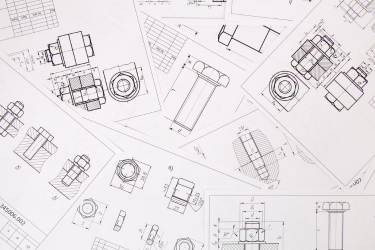
Start by gathering the technical information the new shop will need. Include the latest approved drawing and revision, CAD data when applicable, material specifications, tolerances, finishing or secondary-process requirements, inspection and packaging requirements, and expected production quantities. Revision control is particularly important because the new shop needs to know exactly which requirements apply to the part.
Next, identify any tooling, fixtures, gauges, or other dedicated equipment used to produce the part. Determine which items you own, which belong to the current supplier, and which can be transferred to the new shop under your existing agreements.
Ownership and compatibility are separate questions. Even if your company owns a fixture or another production asset, the replacement shop may use different machines, workholding, or manufacturing methods. Existing tooling may need to be inspected, modified, or replaced before it can be used.
Provide the new shop with any relevant production and quality information your company is allowed to share. This may include inspection expectations, approved packaging requirements, known problem areas, historical nonconformances, or customer-specific requirements that the finished parts need to meet. Keep in mind that CNC programs or other process information developed by the current supplier may not be available for transfer, depending on ownership and the terms of your agreement.
The replacement process then needs to be qualified in accordance with the requirements applicable to the program. The process may include a first article, an initial part, or a production sample used to verify that the specified requirements have been met.
Formal First Article Inspection (FAI), Production Part Approval Process (PPAP), or other approval procedures may also apply depending on the customer, contract, industry, and specific production requirements. They are not universal requirements for every CNC supplier transition. For example, some supplier quality requirements may call for a new or partial FAI after changes to the manufacturing source, process, tooling, or CNC program.
Finally, plan the move to the new supplier around when their first production parts have been reviewed and accepted. A quote from the replacement supplier is only the beginning of the transition.
How Can You Reduce Risk During the Transition?
The safest approach is to confirm that the new supplier can meet your production requirements while maintaining sufficient inventory or production coverage to manage potential qualification or startup delays.
Before selecting a cutover date, review available finished inventory, work in process (WIP), and outstanding purchase orders. Work in process (WIP) includes parts or materials that have already entered production but are not yet finished. Compare the available supply with the expected demand through the transition.
When planning the timeline, include the steps that happen before and after machining. Material procurement, programming, new or modified tooling and fixtures, outside processes, inspection, sample production, qualification, and customer approval can all affect when usable production parts become available.
Depending on the program, you can reduce transition risk by:
- Maintaining enough inventory to cover orders until the new supplier is qualified and ready for production.
- Allowing some production to overlap between the current and new supplier when practical.
- Performing additional inspections during early production when the quality requirements call for it.
- Confirming material availability before relying on a quoted machining schedule.
- Keeping purchasing, engineering, quality, and operations updated on qualification progress and the final cutover decision.
No standard amount of bridge inventory or production overlap works for every transition. The right level depends on demand, available inventory, procurement time, qualification requirements, production complexity, and the consequences of a supply interruption.
Most importantly, do not fully offboard the current supplier until you are confident the new supplier is ready to take over production. A rushed cutover can turn an existing supplier problem into a production shortage.
What Should You Send the New Machine Shop?
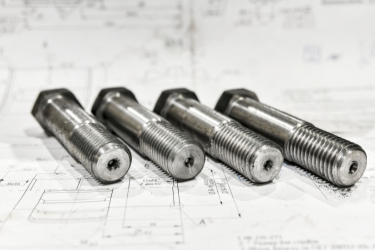
A detailed Request for Quote (RFQ) helps a prospective supplier understand the job and prepare an accurate quote. Beyond the drawing, the supplier also needs information about production volume, delivery expectations, inspection needs, and other requirements that affect the job.
An RFQ for transferred CNC work should generally include the current drawing and revision, CAD or model files when relevant, material specifications, order quantity, and expected recurring volume, critical tolerances, finishing and secondary operations, inspection or documentation requirements, required delivery timing, relevant tooling or fixture information, and any qualification requirements that apply.
Once this technical package is assembled, you can send it to prospective suppliers for a project-specific capability review. If you are evaluating an Anaheim machine shop, provide enough information for the shop to assess the drawing, quantities, tolerances, materials, production requirements, and any transition considerations before selecting a replacement supplier.
Providing complete information with the RFQ can help the shop identify missing requirements, tooling concerns, inspection questions, or scheduling constraints before they cause problems in production.
Make the Supplier Change a Controlled Transition
Moving to a new CNC supplier should solve the problems you are already dealing with, not replace them with new ones. That means verifying the new supplier's technical fit, controlling the transfer of production requirements and assets, and planning the cutover around qualification and production continuity.
For small, close-tolerance turned components or recurring production, Aaero Swiss provides CNC Swiss machining, micro machining, screw machine products, and related secondary machining capabilities from its Anaheim facility. If your team is considering a new source, take a look at Aaero Swiss's Swiss screw machining services and submit your project requirements for a capability review. The feasibility of transferring an existing program will depend on the material, tolerances, quantities, tooling, and other production requirements involved.